In this guide
- Capability comes before arithmetic
- Do not infer the customer’s balance
- Make each payment leg clear
- A partial amount is not an invitation to guess
- A hypothetical return later
- Plan the receipt explanation before a later return
- Prepare a simple explanation
- Keep brand assumptions out
- Reusable work card
- Sources and scope
- Continue with a different task
Make the merchant’s actual split-payment capability and receipt handling clear without promising universal support.
Capability comes before arithmetic
A customer may want to pay part of a purchase with a prepaid card and the rest another way. Mastercard’s general FAQ notes that split tender is not supported by every merchant. Staff should know whether their own system and policy support the requested arrangement before suggesting it as a solution.
Do not infer the customer’s balance
The merchant should not browse the customer’s account or ask for credentials to determine the available amount. The customer can obtain account information through their verified official channel. Staff can explain the merchant’s supported process and any information it legitimately requires under that process.
Make each payment leg clear
If the business supports split tender, follow its approved procedure and provide receipts that make the amounts and methods understandable. This article does not supply terminal instructions or tell staff how to force a payment through. The merchant’s processor and internal training govern the actual transaction.
A partial amount is not an invitation to guess
The customer may know the amount they want to place on a prepaid card, but the merchant still needs a supported process for that request. Staff should not experiment with several amounts to discover the account balance or bypass a system limitation. Explain the business’s capability before beginning and follow its approved sequence if the request is supported. If an attempt becomes uncertain, use the uncertain-transaction procedure rather than continuing the split automatically. The general Mastercard FAQ supplies useful context about non-universal support; it does not tell staff which buttons to press in this merchant’s system.
A hypothetical return later
A customer returns an item from a purchase paid using two methods. Staff need the original merchant record to determine the business’s authorized return handling. They should not guess which payment method receives the refund or promise that the entire amount goes to the prepaid card. Refer the question to the policy owner if it is unclear.
Plan the receipt explanation before a later return
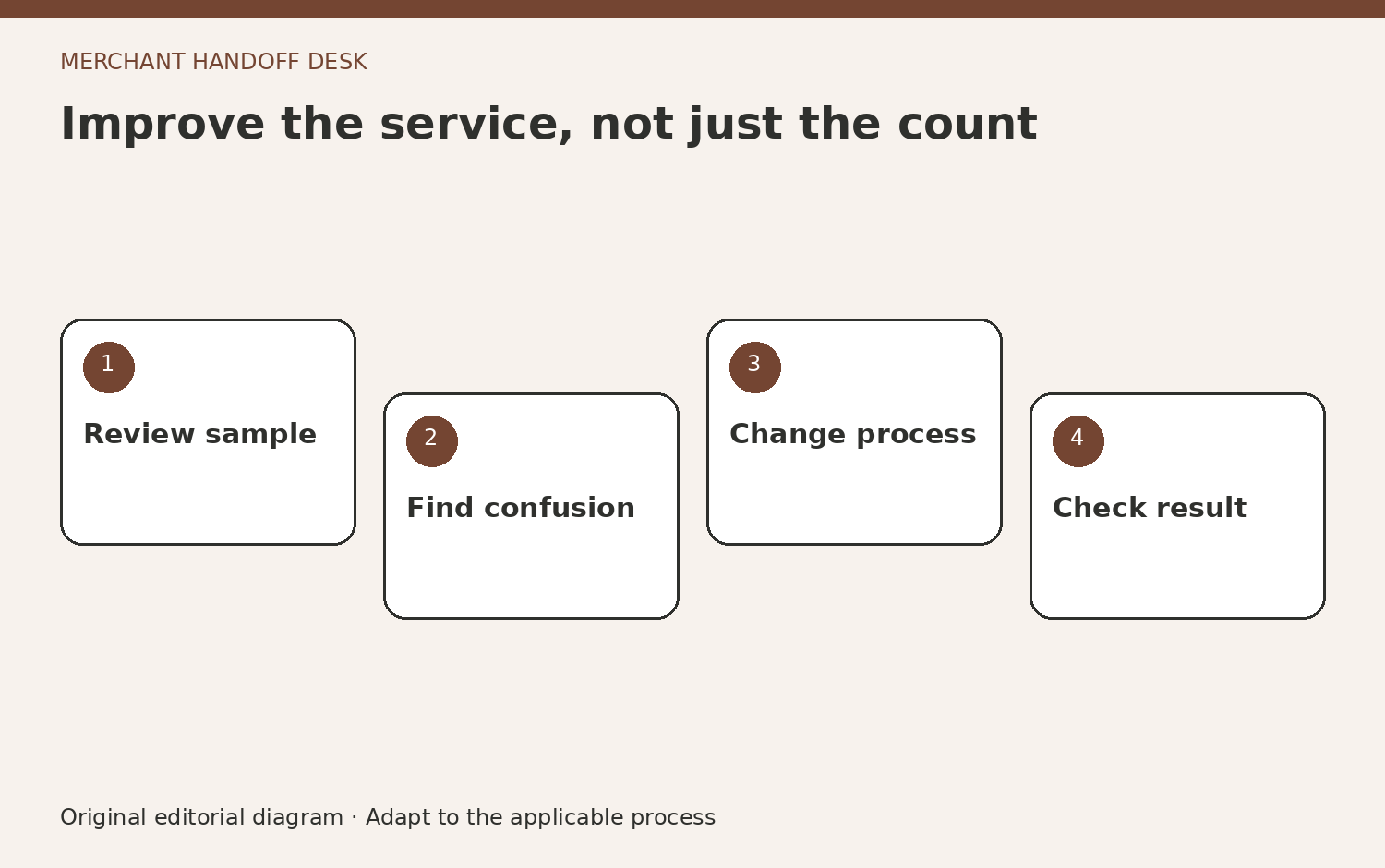
Split payments can make a later service enquiry harder if the original record is unclear. The merchant should preserve the relationship between the order and its payment legs through the approved system. When the customer asks about a refund, review the actual policy and references instead of assuming the return follows a simple proportional split. The business’s authorized owner may need to explain the method. A customer-facing summary can state what the merchant did without promising an issuer-side result. Clear records at the original sale reduce the need for intrusive information requests when the purchase is revisited.
Prepare a simple explanation
Before payment, tell the customer whether the requested split is supported and what the business can confirm. After payment, explain the receipt structure. If the request cannot be supported, offer only the alternatives the business actually allows, without pressuring the customer to reveal private financial information.
Keep brand assumptions out
A Mastercard logo or the name Fintwist does not by itself establish the merchant’s split-tender functionality. The useful service habit is to check capability before beginning and preserve a clear merchant record afterward. General network guidance is context, not a guarantee about this checkout system.
Reusable work card
Use these prompts in your organization’s approved process. They request no private account information and do not authorize a payment or account change.
- Confirm whether the merchant’s actual policy and system support the requested split before beginning the sale.
- Let the customer obtain account information through their own verified channel rather than browsing their device.
- Follow the approved process without attempting to force a transaction through unsupported terminal steps.
- Provide receipts that make the separate payment amounts and methods clear.
- For a later return, consult the original record and applicable merchant policy before promising a refund destination.
- Explain unsupported requests using the alternatives the business actually permits without pressuring disclosure of private finances.